临安卷 · Lin’an
Landscape
Mountains are not scenery. Mountains are time.
Lin’an’s mountains belong to the Tianmu range, entering from southern Anhui and easing eastward until they rest at the edge of Hangzhou. Tianmu is a watershed: water on the north slope runs to Lake Tai, water on the west to the Qiantang. Within them stand some of East China’s oldest forests, and the highest summit of western Zhejiang. Four essays on the mountains themselves — from a single tree to how the water parts.
Mount Tianmu
Tianmu: the time of great trees
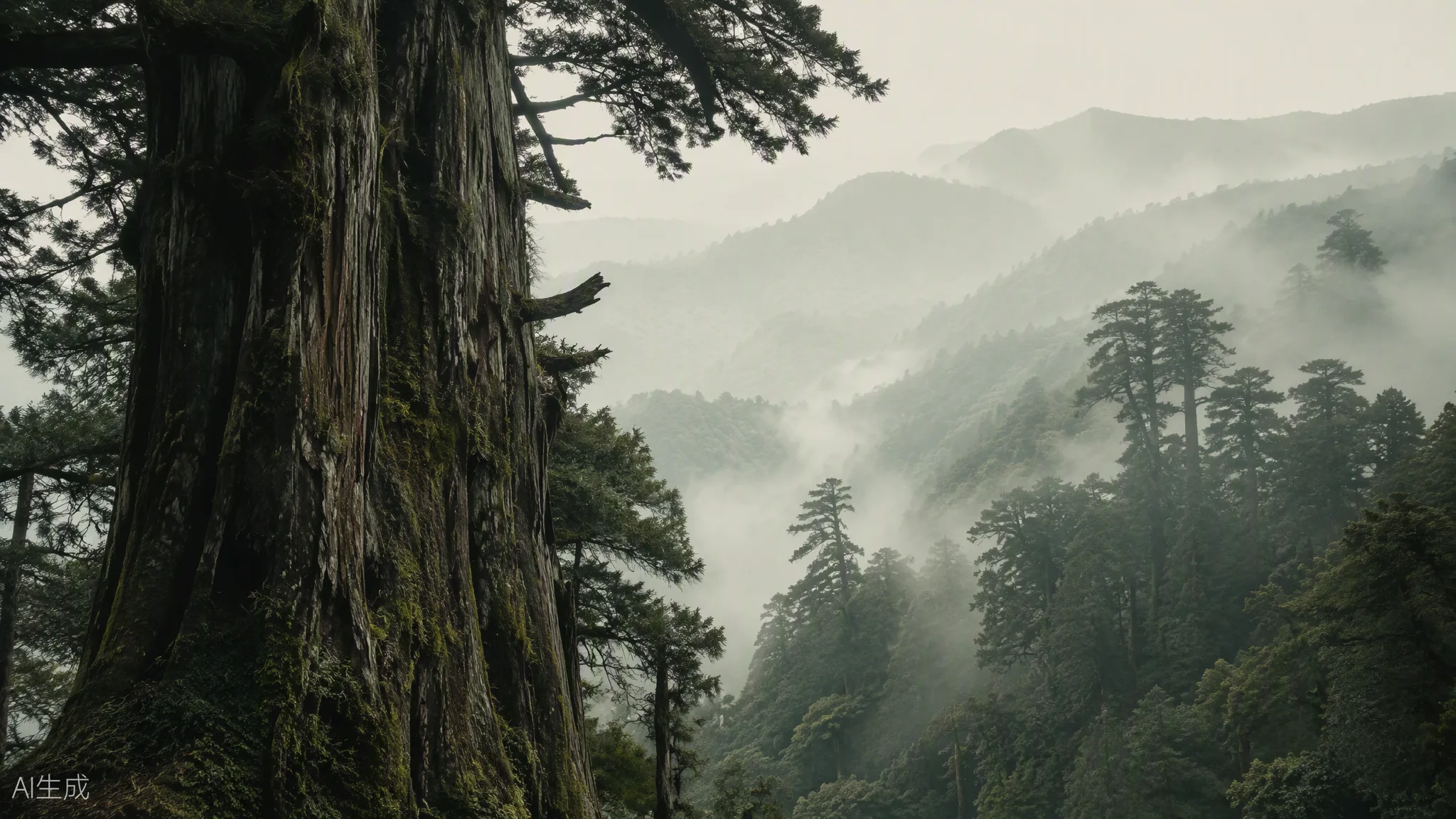
Tianmu is famous for its trees. In the old-growth forest of West Tianmu the cryptomerias stand in stands, some with trunks so wide that five or six people cannot link arms around them. The Song people called the most famous of them the Thousand-Autumn Tree; legend says the Qianlong Emperor, touring the south, saw it and named it King of Trees on the spot. That titled tree is dead; the trunk still stands. The names change with the dynasties; the forest remains — older than any temple on the mountain, and more silent.
It is a UNESCO Biosphere Reserve. Ginkgo, golden larch, the Tianmu ironwood — many plants carry the name “Tianmu” because this is where science first recorded them. When the bell of Chanyuan Temple sounds at the mountain’s foot, the whole forest seems to settle. The bell came later; the forest was always there.
Mount Daming
Daming: a terrace above the clouds
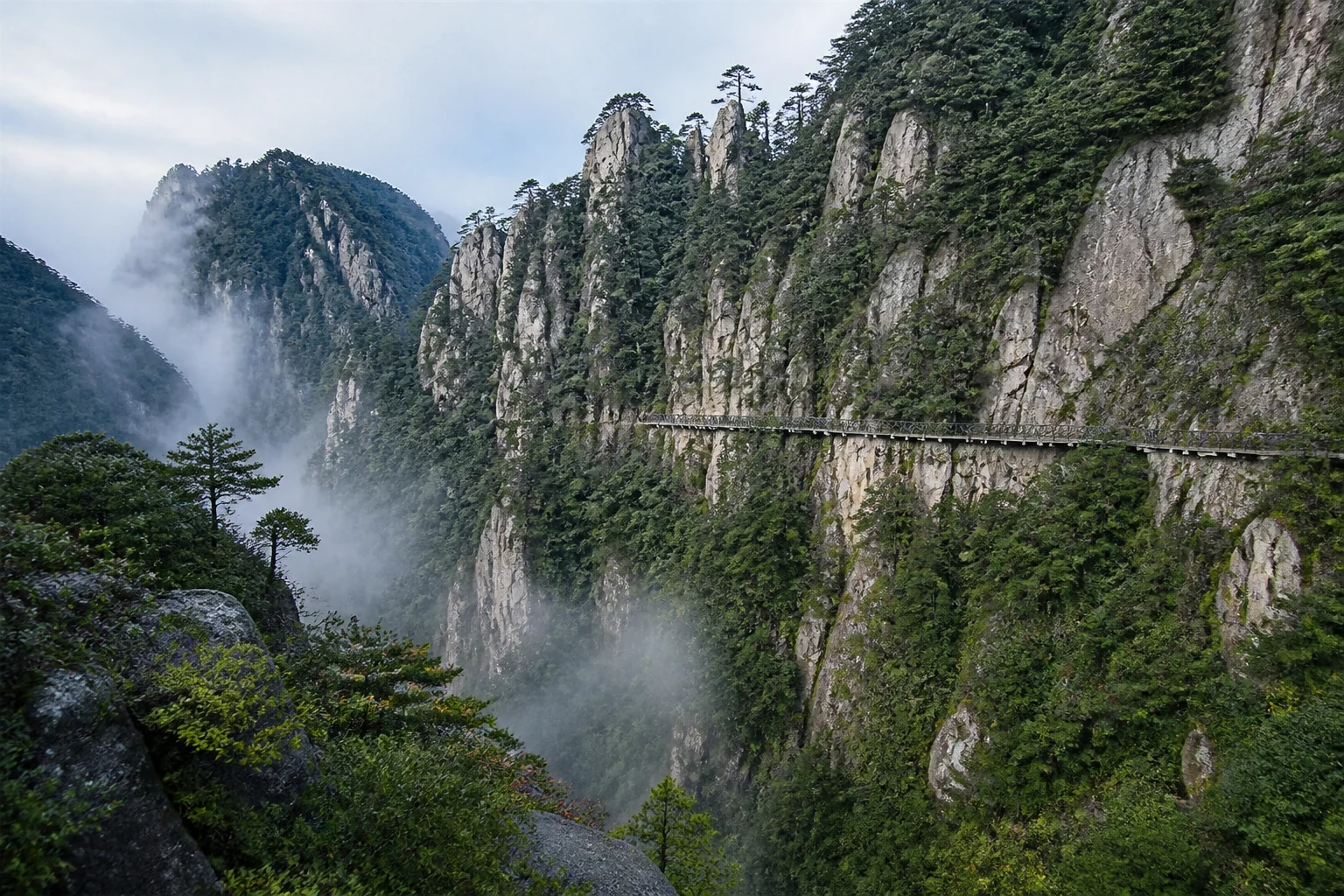
High on Daming lies an unexpected plateau. Climb past a thousand metres and meadows and flower fields suddenly unfold — the mountain has hidden a plain on its summit. A plank walk clings to the granite cliff; a deep valley below often sends cloud up, and the terrace seems to float.
Legend says the future Hongwu Emperor once garrisoned troops here, giving the mountain its name. Legends need not be believed. The terrace remains: grass in the wind, cloud in the valley, people walking a plain that should not exist at this height.
Qingliang Peak
Qingliang: the roof of western Zhejiang
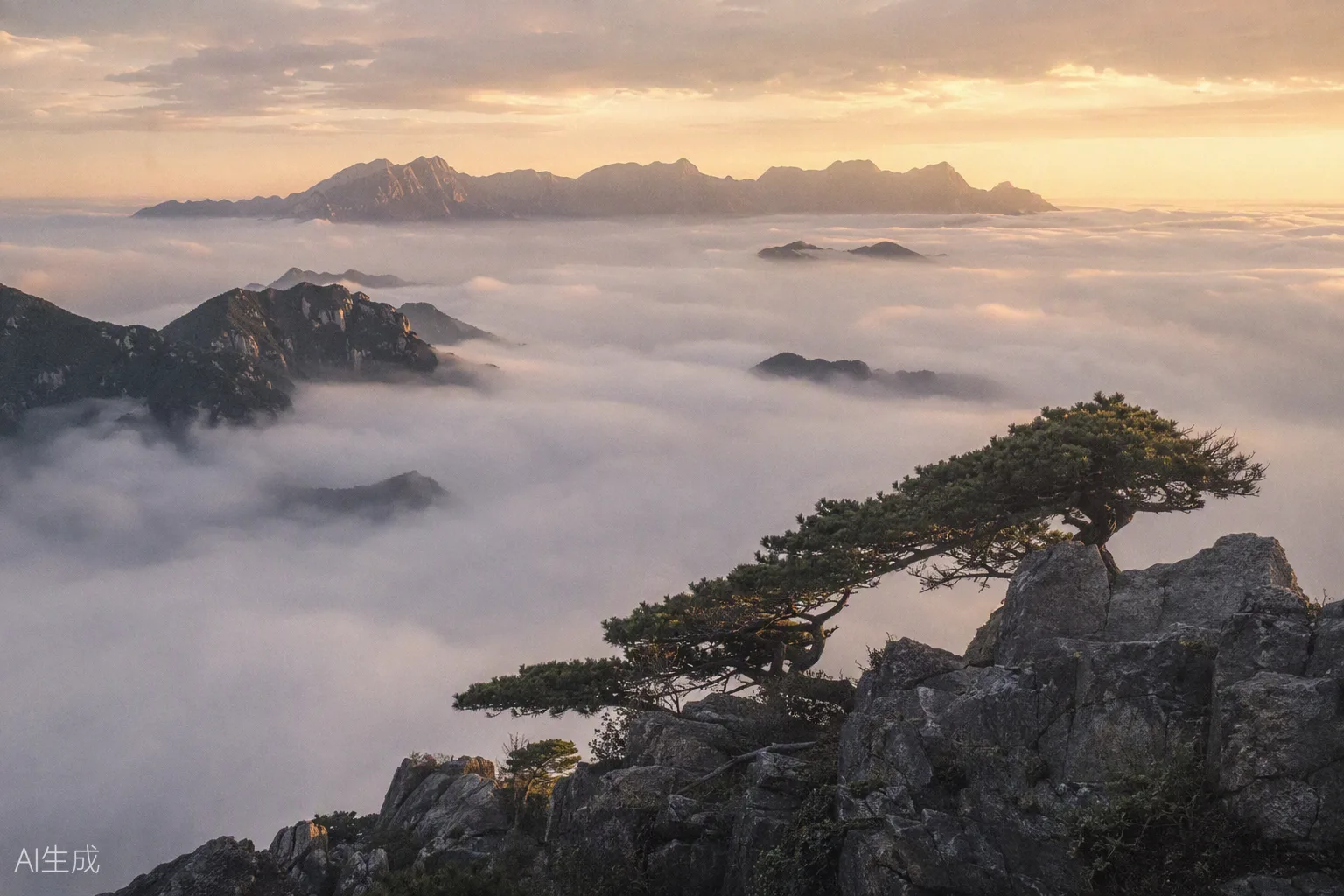
Qingliang Peak is the ridge-beam of western Zhejiang. Height is its character: dirt paths, dwarf pines, azaleas that change with the climb. It is not a viewing terrace that has been fitted out.
Wild sika deer still live in these mountains; Qingliang is one of their last large habitats in southeast China. Height keeps people out, and leaves behind a way of life that asks not to be disturbed.
Headwaters
Water: the mountain’s sequel
Tianmu is a watershed. Streams on the north slope join to form the Tiaoxi, which empties into Lake Tai; streams on the west slope join the Changhua and enter the Qiantang. A ravine near Baisha village is called the Source of Taihu — one of the lake’s first sources, beginning as a thread of water like this.
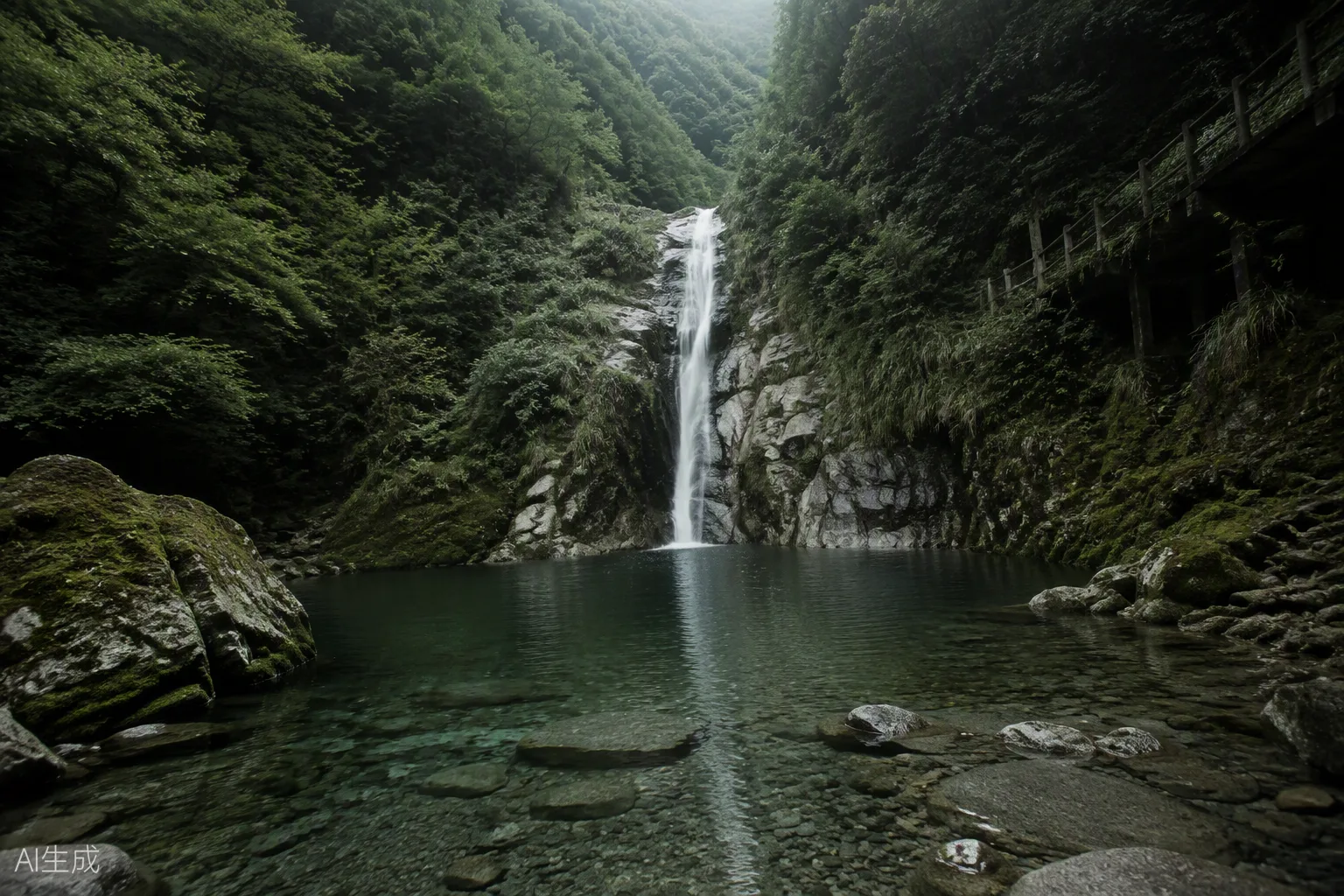
Each stretch of water has its own temper: in the Zhexi Grand Canyon the pools run a dark jade — that is a headwater of the Qiantang; by Heqiao old town the Changnan stream slows enough to mirror the old houses. Two waters, two destinations. Once water leaves the mountain, it becomes the human world — and the next chapter follows these waters down.
Old trees in the mountains, sources in the water. The mountains are read; follow the water down.
Next · Places