City by city, written slowly
Jiuzhou
An online anthology of mountains, memory and craft
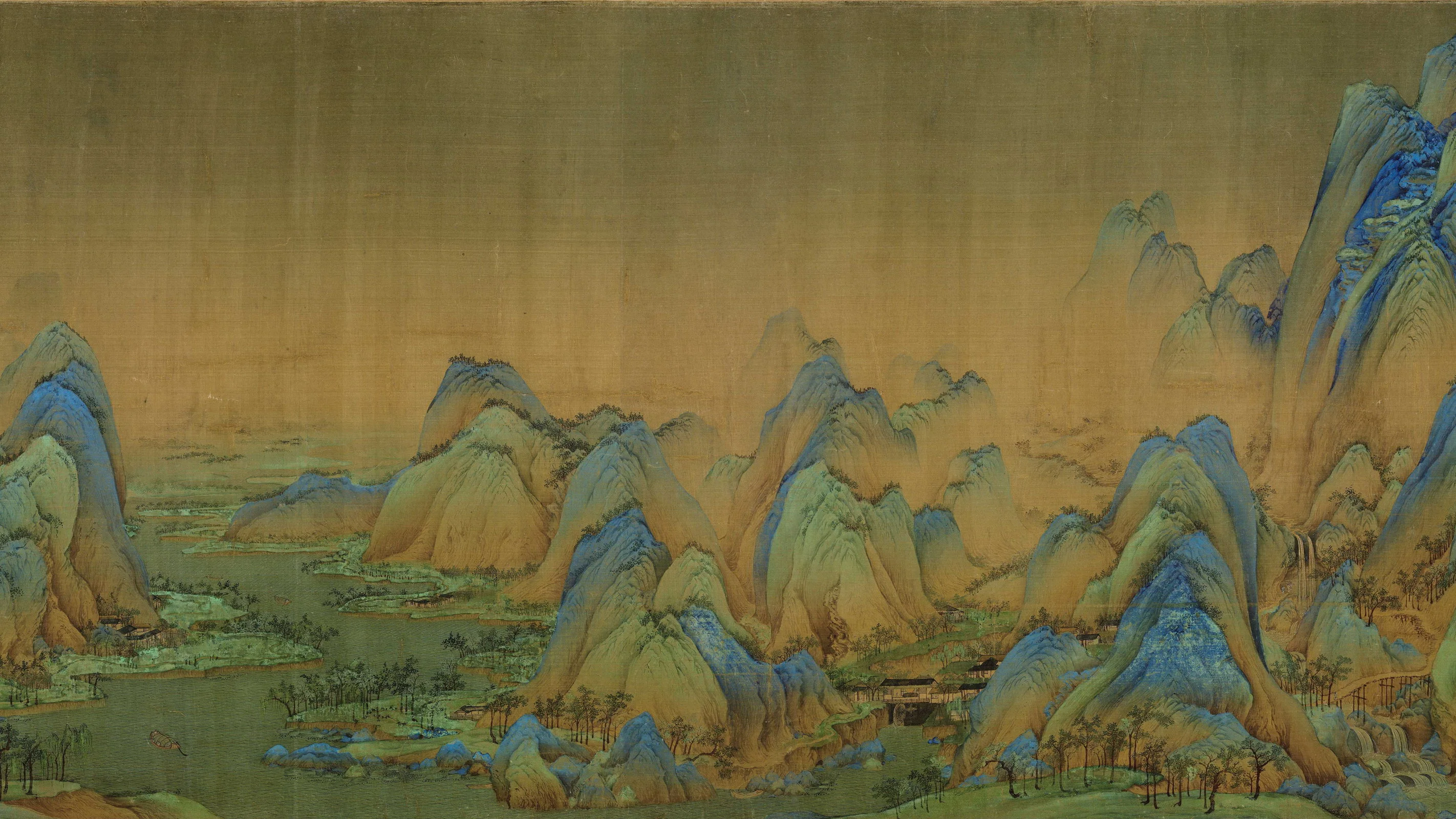
Wang Ximeng, A Thousand Li of Rivers and Mountains (detail), Northern Song · The Palace Museum
Scroll to readIssued · Hangzhou
Jiuzhou Contents Autumn of Bingwu · issued online
Nine Lands
The old names are gone from the map; the mountains and rivers remain.
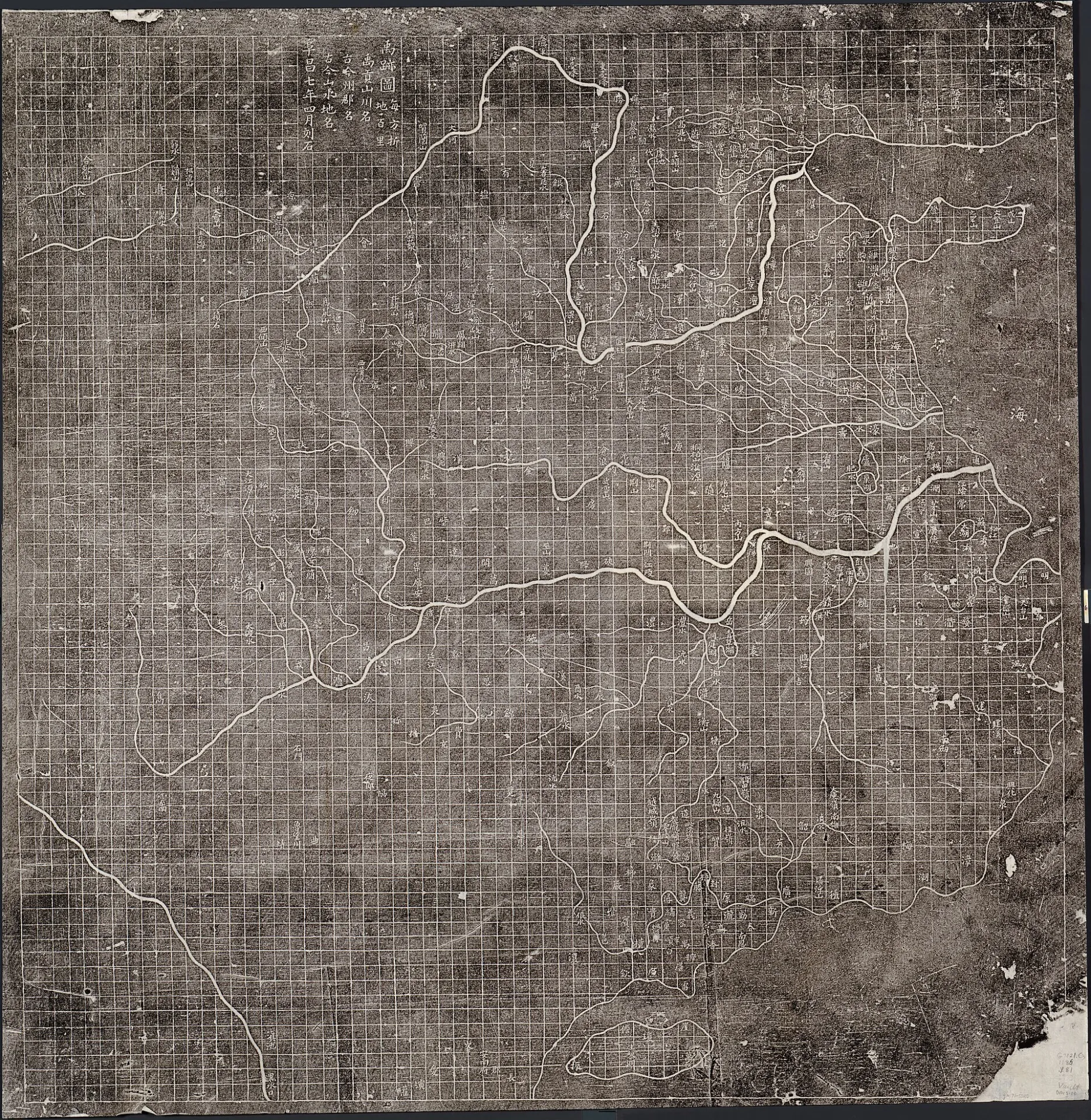
Yuji tu (Tracks of Yu) · engraved Fuchang 7 (1136) · each square one hundred li · rubbing at the Library of Congress
The name “Nine Lands” (Jiuzhou) comes from the Tribute of Yu in the Book of Documents; it roughly covered the Yellow River and Yangtze basins and the southeast coast. China today is far larger, so this gazetteer is bound by present-day provinces, and only borrows the name.
Jiuzhou Preface
Jiuzhou Preface
Preface
City by city, written slowly
Ancient China was divided into Nine Lands. Yu set down the high mountains and great rivers to tell them apart — a land was not a district, but mountains, rivers, and the way a people lived. The old names are gone from the map; the mountains and rivers remain. Jiuzhou rewrites them as gazetteer: city by city, written slowly.
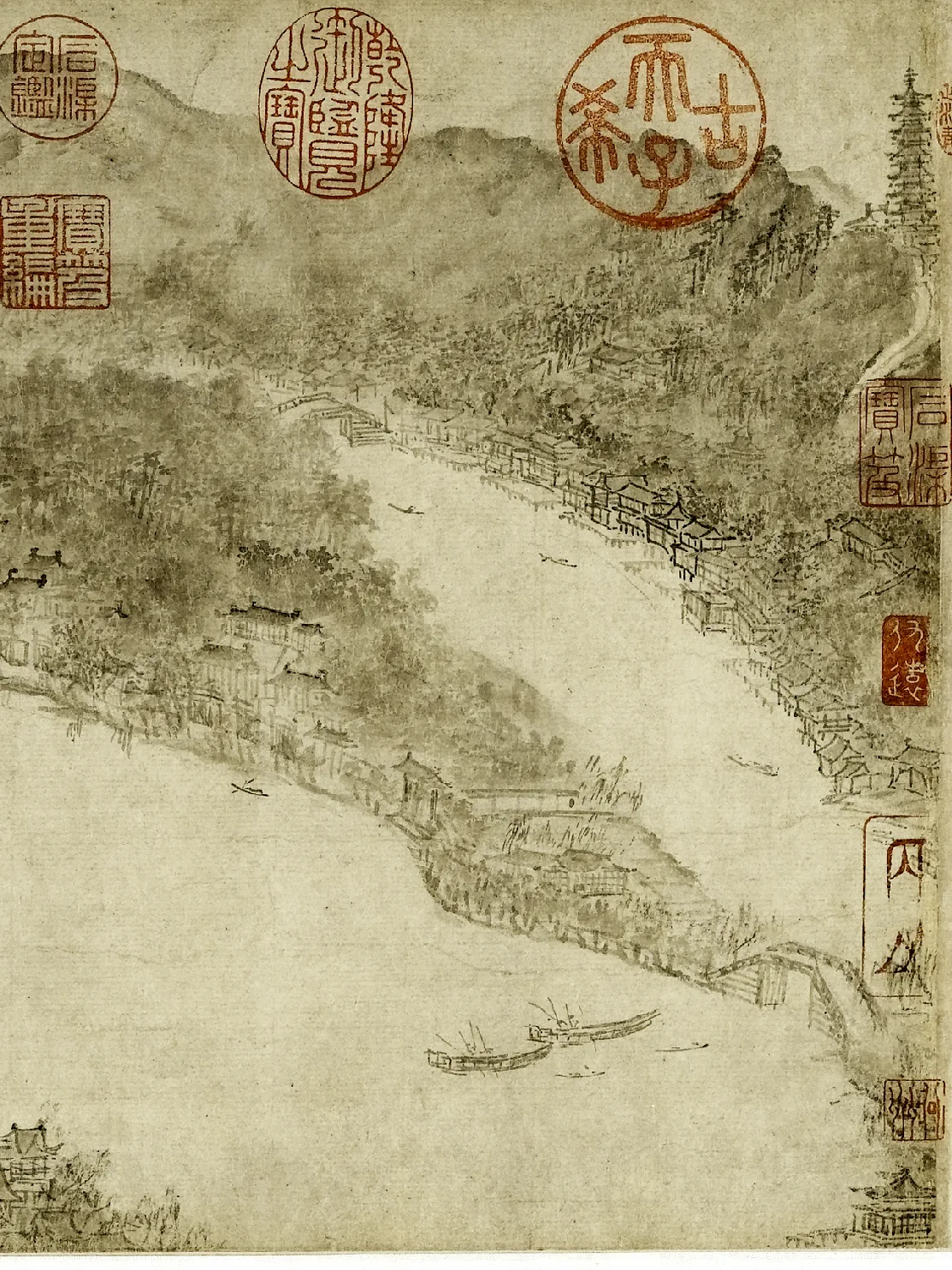
We begin with Hangzhou — beside West Lake, the old capital of the Southern Song. Lin’an is a district of Hangzhou — beneath Mount Tianmu, the old homeland of Wuyue.
City by city, written slowly
省
One province open